Boiler Repair Costs Explained: What Homeowners Should Expect
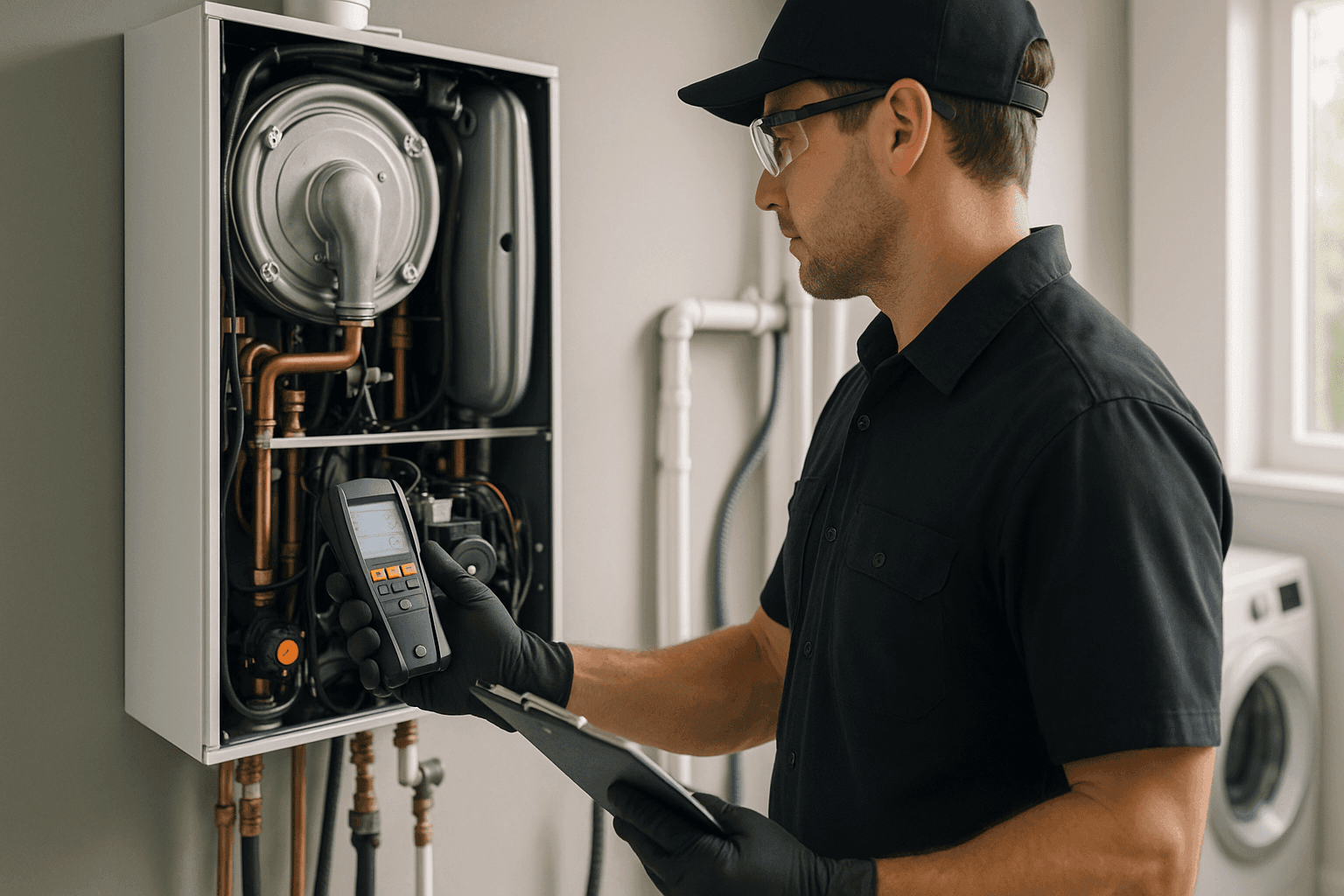
Is your boiler acting up? Maybe it’s making strange noises. Or it’s simply not keeping your home warm. That sinking feeling as winter sets in—no one wants to be left in the cold. Whether you’re a homeowner or you manage commercial space, knowing what to expect for boiler repair costs can calm your worries and help you plan.
At Spencer Plumbing, our emergency plumbing team brings years of hands-on experience to every job. We believe in clear, upfront communication, so you’re never left guessing about your boiler’s repair or the bill that follows.
Typical Boiler Repair Costs 💸
Boiler repairs don’t come with one-size-fits-all pricing. Like fixing a car, the cost depends on what’s wrong and what it takes to fix it. Here’s a practical look at what you might expect:
- Minor repairs (thermostat replacement, small leaks, ignition switches): $100–$400 for parts and labor.
- Mid-range fixes (pump replacement, diverter valves, pressure relief valves): $300–$700.
- Major repairs (heat exchanger, circuit boards, gas valve replacements): $800–$2,000 or more.
Labor rates for certified technicians often range from $75–$200 per hour, depending on time of day. Emergency plumbing near you after hours or on holidays may cost more, reflecting the urgency and overtime involved.
Parts vs. Labor
- Parts: The price can swing based on boiler brand and model. Some parts are easy to source, others require special order.
- Labor: Straightforward repairs may take an hour. More complex issues can stretch into several hours or require follow-up visits.
Seasonal Trends
Demand for boiler repairs skyrockets as temperatures drop. Prices may creep up during peak winter months, not because of price gouging, but due to demand and parts supply. Planning ahead with regular maintenance can help you avoid those emergency calls on the coldest day of the year.
Factors Affecting Price
Every boiler problem has its own fingerprint. Here’s what can push costs up or down:
- Age of the Boiler: Older units may need harder-to-find parts or more labor.
- Type of Boiler: Standard gas, combi, or high-efficiency condensing boilers all have unique components.
- Extent of the Problem: A minor leak is much less work than a full system breakdown.
- Location: Hard-to-reach boilers (tight utility closets, crawlspaces) take more time to access and work on.
- Warranty Status: Some repairs are partially or fully covered if your unit is still under manufacturer’s warranty.
- Code and Safety Requirements: Repairs that must meet current safety codes (review local building codes or consult the International Residential Code) may require extra steps or permits, especially for gas lines or pressure systems.
Common Boiler Issues 🚨
Most boiler troubles start small—like a pebble in your shoe that turns into a blister if you ignore it.
Warning Signs to Watch For
- No heat or hot water: Could be a failed thermostat, airlock, or broken pump.
- Strange noises: Banging, gurgling, or whistling can signal air in the system, low water pressure, or limescale build-up.
- Leaking or dripping: Even a small drip can lead to bigger problems.
- Pilot light keeps going out: Possible thermocouple or gas supply issue.
- Unusual smells: Never ignore the smell of gas—this is a safety emergency.
If you spot these signs, prompt action can mean the difference between a simple repair and a much larger bill.
Repair vs. Replacement
Sometimes, fixing a boiler is like patching an old tire. It works—until it doesn’t. Here’s how to weigh your options:
When Repair Makes Sense
- The unit is less than 10 years old.
- The repair cost is less than half the price of a new boiler.
- The issue is isolated (such as a faulty valve or sensor).
When Replacement Is Smarter
- Frequent breakdowns or repeated calls for emergency plumbing.
- Repair costs edging close to, or over, 50% of a new unit.
- Parts are obsolete or hard to source.
- The boiler is over 15 years old (energy efficiency and safety standards have improved).
A professional inspection can help you make an informed decision. Ask your technician to walk you through the pros and cons.
How to Choose a Repair Service 🔧
Not all plumbing companies are created equal. Here’s what to look for:
- Certified Technicians: Check for licensing and ongoing training. Ask about certifications by organizations like the National Inspection Testing and Certification Corporation (NITC) or local authorities.
- Transparent Pricing: Look for clear, written estimates before any work begins. Don’t be afraid to ask for a breakdown of parts and labor.
- Emergency Response: Can they handle urgent calls? Are they available after-hours and weekends?
- Warranty and Follow-Up: Are repairs covered, and for how long? Make sure you understand what’s included.
- References and Reviews: Ask for recent customer feedback for similar jobs.
- Insurance and Compliance: Ensure the company carries liability insurance and adheres to local code requirements.
Questions to Ask Before Hiring
- What is your hourly rate, and do you charge extra for emergency plumbing?
- Do you offer written estimates?
- Are your technicians certified to work on my type of boiler?
- Will you explain the issue in plain language before starting repairs?
- What warranty do you offer on parts and labor?
Practical Tips for Boiler Care
A little maintenance goes a long way. Here’s how you can stretch out your boiler’s lifespan and avoid costly surprises:
- Annual Service: Schedule a yearly inspection and tune-up, ideally before winter.
- Check for Leaks: Keep an eye out for puddles or drips under the unit.
- Monitor Pressure: If the gauge drops below the recommended level (usually 1–1.5 bar), call a pro.
- Bleed Radiators: If some rooms stay cold, trapped air could be the culprit.
- Install Carbon Monoxide Detectors: Boilers that burn fuel can pose risks if not vented properly (see U.S. Consumer Product Safety Commission guidelines).
Final Thoughts
Boiler repairs can feel overwhelming—especially when the temperature outside drops and time is of the essence. But with clear information, realistic expectations, and the right emergency plumbing near you, you can face the problem head-on.
If you’re facing boiler trouble or just want to budget for the future, keep these cost ranges and tips handy. And remember: asking the right questions is your best defense against unnecessary expenses and chilly nights.
Call Spencer Plumbing now — or reach us anytime at 888-875-3815 .