How to Choose the Right Water Heater for Your Home or Business
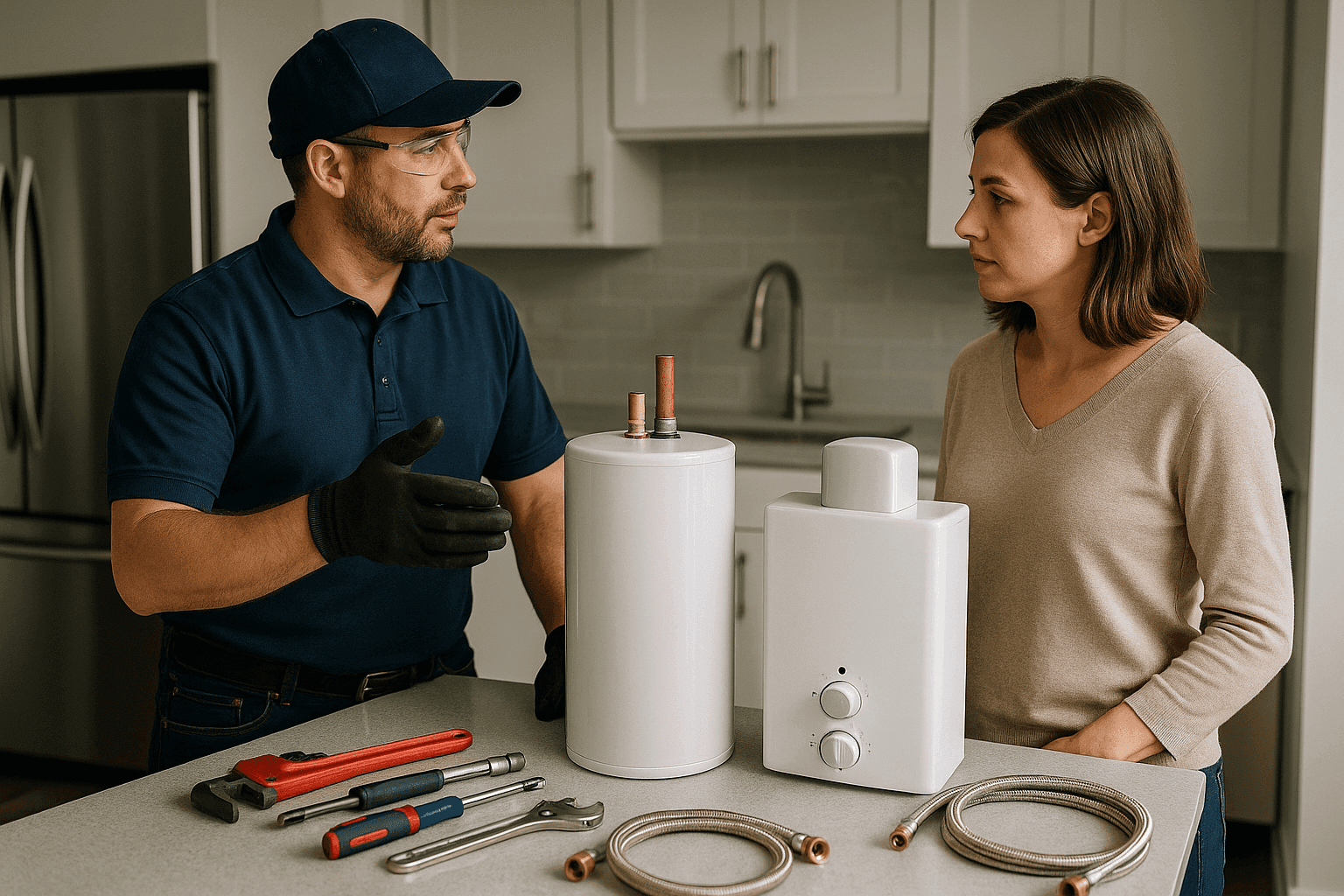
Choosing a new water heater isn’t something most people look forward to. But when your old one fails—or you’re building or renovating—making the right choice matters. No one wants cold showers, rising energy bills, or an emergency plumbing call in the middle of winter.
At Spencer Plumbing, we know water heaters inside and out. Our licensed team has helped countless homeowners and small business owners with everything from quick repairs to full installations. Let’s break down how you can choose the right water heater for your needs—and avoid headaches down the road.
Understanding the Types of Water Heaters 🛠️
Picking a water heater is a lot like choosing shoes for a long hike. The wrong fit can leave you uncomfortable and frustrated. Here’s a look at the main types you’ll encounter:
Traditional Tank Water Heaters
These are the “old faithfuls” of water heating. They store and heat a large volume of water, ready for use.
Pros:
- Lower upfront cost
- Simple to install and maintain
- Reliable for steady, moderate use
Cons:
- Standby heat loss (wastes energy keeping water hot)
- Bulky—needs space for the tank
- Limited by tank size; can run out of hot water
Tankless (On-Demand) Water Heaters
Tankless models heat water only when you need it. No storage tank, just hot water on tap.
Pros:
- Endless hot water supply
- Compact and wall-mounted
- More energy-efficient (no standby loss)
Cons:
- Higher upfront cost
- May require electrical or gas upgrades
- Flow rate limited—may struggle with multiple simultaneous uses
Hybrid (Heat Pump) Water Heaters
Hybrids use heat from the surrounding air to warm water, much like a refrigerator in reverse.
Pros:
- Very energy-efficient
- Lower operating costs over time
- Good for moderate to high hot water needs
Cons:
- Higher initial price
- Needs space and proper ventilation
- Less effective in cold areas (if installed in unheated spaces)
Other Options
- Solar Water Heaters: Eco-friendly, but weather-dependent and higher initial investment.
- Point-of-Use Heaters: Small units for sinks or appliances, not whole-property solutions.
Key Factors to Consider Before You Buy
Think of choosing a water heater like planning a big family meal. You need enough for everyone, the right fuel, and a setup that fits your kitchen.
1. Capacity
- Homes: Count the bathrooms, people, and appliances. A family of four often needs 40–50 gallons (tank) or a tankless with 7+ gallons per minute (GPM).
- Small Businesses: Factor in peak usage—restaurants, salons, or offices may need higher capacity.
2. Energy Efficiency
- Look for ENERGY STAR® labels. They indicate models that meet strict efficiency guidelines.
- Check the Energy Factor (EF) or Uniform Energy Factor (UEF). Higher numbers mean better efficiency.
3. Fuel Type
- Electric: Widely available, easier installation, but sometimes higher operating costs.
- Gas/Natural Gas: Heats water faster, lower running costs, but needs venting and gas lines.
- Propane: Good for areas without natural gas, but tanks must be refilled.
- Hybrid/Solar: Lowest operating costs, but higher upfront investment and special installation needs.
4. Installation Requirements
- Space: Traditional tanks need floor space. Tankless and hybrids may mount on walls or need ventilation.
- Upgrades: Tankless units sometimes need larger gas lines or upgraded electrical systems.
- Building Codes: Always follow local plumbing codes and safety standards (see the International Association of Plumbing and Mechanical Officials for reference).
How to Match a Water Heater to Your Needs
It’s like picking a car—sporty, family-friendly, or heavy-duty? Here’s how to size up your situation.
For Homeowners
- Hot Showers for All: If everyone showers in the morning, go bigger or consider tankless.
- Space Constraints: Choose tankless or hybrid if you lack room for a big tank.
- Budget: Weigh upfront cost versus long-term savings. Tankless and hybrid cost more initially but save on bills.
For Small Business Owners
- Peak Demand: Restaurants, gyms, and salons need reliable, fast recovery. Consider multiple units or higher GPM.
- Downtime Hurts: Fast installation and minimal maintenance are key. Avoid undersized units that can’t keep up.
- Safety: Gas appliances must be installed with proper venting and checked for leaks (per National Fuel Gas Code standards).
Installation Considerations
Installing a water heater isn’t just a plug-and-play job. It’s more like assembling a puzzle—every piece must fit just right.
- Permits: Many places require permits for water heater installation.
- Venting: Gas units need safe, code-compliant venting.
- Electrical Needs: Tankless and hybrids may need upgraded wiring or breakers.
- Water Quality: Hard water can shorten heater lifespan. Consider adding a water filtration system if needed.
Always use a licensed plumber. Incorrect installation can lead to leaks, carbon monoxide risks, or voided warranties.
Preparing for Winter and Seasonal Changes ❄️
Cold weather puts extra strain on water heaters. Here’s how to keep things running smoothly:
- Insulate pipes and tanks to prevent heat loss.
- Test the pressure relief valve before the coldest months.
- Drain sediment from tank-style heaters at least once a year.
- Check for leaks around fittings and valves.
If your area gets freezing temperatures, consider a heater with freeze protection or install it in a heated space.
Maintenance Tips to Extend Water Heater Life
A water heater is like a car—it’ll last longer with regular tune-ups.
- Flush the tank annually to remove sediment (tank models).
- Check the anode rod every 2–3 years; replace if it’s worn.
- Inspect for leaks or rust around connections.
- Test the thermostat and temperature settings.
- Schedule annual plumbing inspections for peace of mind.
Following manufacturer’s instructions and local code is key. The U.S. Department of Energy offers helpful maintenance guidelines.
Understanding Costs and Long-Term Value
Water heaters come with both upfront and ongoing costs. Like buying a new appliance, it’s smart to look beyond the sticker price.
- Traditional tank: Lower initial cost, higher long-term energy use.
- Tankless: Higher upfront, lower monthly bills, longer lifespan (often 20+ years).
- Hybrid: Highest initial cost, lowest operating costs, potential rebates.
Don’t forget installation, possible upgrades (like venting or electrical), and maintenance. Investing in quality now can save you from emergency plumbing calls later.
When It’s an Emergency
A burst tank, leaking gas, or no hot water on a freezing day? That’s when you need help fast.
Signs you need emergency plumbing:
- Water pooling around the heater
- Strange noises (rumbling, popping)
- No hot water at all
- Rotten egg smell (possible gas leak—evacuate and call for help)
Spencer Plumbing handles emergencies around the clock. Our licensed technicians arrive with the right tools and know-how to get you back to normal, safely and quickly.
Frequently Asked Questions
How long does a water heater last?
Most traditional tanks last 8–12 years. Tankless models can run 20 years or more with good maintenance.
Can I install a water heater myself?
It’s possible for handy homeowners, but mistakes can lead to leaks, gas hazards, or code violations. Professional installation is strongly recommended.
What size water heater do I need?
It depends on your family size or business usage. For homes, 40–50 gallons is common. For businesses, consult with a plumber to assess peak demand.
How do I know if my water heater is failing?
Look for reduced hot water, strange noises, rust-colored water, or leaks. If in doubt, schedule an inspection.
Special Considerations for Water Heater Selection
Every property is unique. Here are a few extra points to keep in mind:
- Accessibility: Make sure there’s space for maintenance and repairs.
- Water pressure: High pressure can damage heaters—install a pressure-reducing valve if needed.
- Backflow prevention: Protect your water supply with proper valves, especially for businesses.
- Energy rebates: Many utilities offer rebates for efficient models—check before you buy.
If you’re not sure what’s right for your situation, Spencer Plumbing is ready to help with honest advice and quality service.
Call Spencer Plumbing now — or reach us anytime at 888-875-3815 .