How to Prevent Plumbing Emergencies Before They Happen
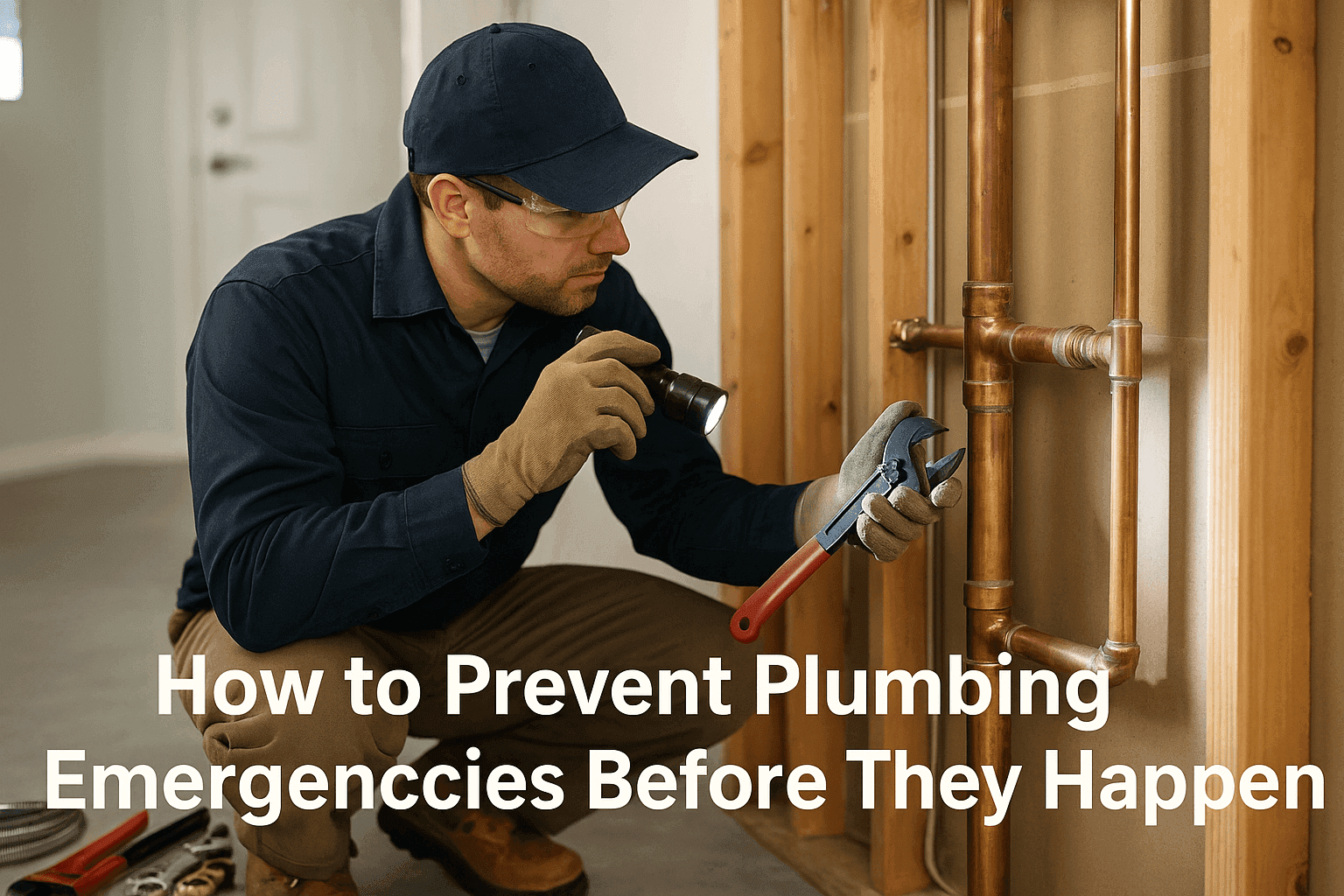
Plumbing emergencies never knock on your door politely. They barge in—flooding floors, soaking walls, and leaving you scrambling for towels. Every homeowner and small business owner has felt that jolt of panic when water gushes where it shouldn’t.
The good news? Most plumbing disasters don’t erupt out of nowhere. With a little know-how and regular care, you can spot the warning signs and stop small problems from turning into big, expensive emergencies. At Spencer Plumbing, we’ve seen it all—and we’re here to help you keep your plumbing running smooth all year long.
Common Causes of Plumbing Emergencies 🚨
Plumbing emergencies are like thunderstorms: sometimes they’re sudden, but most build up over time. Understanding what causes them is the first step to prevention.
- Clogged Drains: Hair, grease, soap, and food scraps can slowly choke your pipes. Left unchecked, they can cause backups or even burst pipes.
- Leaking Pipes: Even a tiny drip can lead to mold, water damage, or a sudden pipe rupture.
- Water Heater Failures: Sediment build-up or faulty thermostats can leave you shivering—or worse, cause leaks and floods.
- Sewer Backups: Tree roots, debris, or collapsed lines can send wastewater back into your home or business.
- Frozen Pipes: In colder weather, water in pipes can freeze and expand, causing them to crack or burst.
- Worn Fixtures: Old or poorly installed faucets, toilets, and valves can leak or break at the worst possible time.
Ignoring small issues is like ignoring a check engine light. It rarely ends well.
Seasonal Plumbing Tips to Avoid Emergencies
Every season brings its own plumbing challenges. Here’s how to stay ahead:
Spring & Summer
- Inspect for Leaks: After winter, check pipes for cracks or leaks caused by freezing.
- Clean Gutters and Downspouts: Clogged gutters can send water toward your foundation and basement.
- Test Sump Pumps: Make sure your sump pump is ready for spring rains. Pour a bucket of water in the pit to check if it kicks on.
Fall
- Disconnect Hoses: Remove and drain outdoor hoses. Shut off exterior faucets to prevent frozen pipes.
- Check Water Heater: Flush your water heater to remove sediment and improve efficiency.
- Inspect Sewer Lines: Have a professional check for tree root intrusions before heavy rains.
Winter
- Insulate Pipes: Wrap exposed pipes in unheated areas with foam or insulation sleeves.
- Keep Heat On: Even if you’re away, keep your thermostat set above 55°F to prevent freezing.
- Open Cabinets: On extra cold nights, open cabinet doors under sinks to let warm air reach pipes.
DIY Preventative Maintenance Tasks for Homeowners and Small Businesses
A little elbow grease goes a long way. Here’s what you can do to keep your plumbing humming:
Leak Detection Basics
- Check Under Sinks: Look for puddles, water stains, or corrosion.
- Monitor Water Meter: Turn off all water, then check your meter. If it’s still moving, you may have a hidden leak.
- Listen for Drips: Sometimes you hear trouble before you see it.
How to Maintain Water Heaters
- Flush Annually: Sediment can build up, reducing efficiency and lifespan. Drain a few gallons from the tank once a year.
- Check the Anode Rod: This rod helps prevent tank rust. Replace it every 3–5 years or as needed.
- Inspect for Leaks: Look for rust or moisture around the base.
Sump Pump Care
- Test Regularly: Pour water in the pit to make sure it starts.
- Clean the Pit: Remove debris that could block the pump.
- Check Power Source: Make sure it’s plugged in and, if possible, has a battery backup.
Drains and Toilets
- Use Drain Strainers: Catch hair and debris before they enter pipes.
- Avoid Chemical Cleaners: They can corrode pipes and harm the environment.
- Only Flush Toilet Paper: Wipes, feminine products, and paper towels can clog pipes fast.
When to Schedule Professional Inspections
Some jobs need a licensed plumber. Consider scheduling:
- Annual Whole-Home Plumbing Inspection: A pro can spot issues you might miss.
- Backflow Testing: Required for many businesses and recommended for homes with irrigation systems.
- Sewer Line Camera Inspection: Especially if you have large trees near your sewer line or frequent backups.
The International Association of Plumbing and Mechanical Officials (IAPMO) and Uniform Plumbing Code recommend regular inspections to maintain safety and efficiency.
The Importance of Regular Maintenance
Think of plumbing maintenance like brushing your teeth. Skip it, and the problems pile up. Regular checks keep your system running efficiently, save money on water bills, and help you avoid the chaos of a major emergency plumbing call.
- Reduces Risk: Stops small leaks and clogs before they become disasters.
- Improves Efficiency: Well-maintained systems use less water and energy.
- Extends Lifespan: Pipes, fixtures, and appliances last longer with care.
Costs & Time Factors
Preventative maintenance is usually quick and affordable compared to emergency repairs. Here’s what to expect:
- DIY Tasks: Most basic checks (like inspecting for leaks or flushing water heaters) take less than an hour and cost little to nothing.
- Professional Inspections: These can take one to two hours, depending on your property’s size and complexity.
- Emergency Repairs: These are often more expensive and can take several hours or even days, depending on the damage.
Investing a little time now can save you a lot of stress—and money—later.
When It’s an Emergency
Sometimes, despite your best efforts, emergencies happen. Here’s when to call for emergency plumbing help:
- Burst Pipes: Water is gushing and you can’t stop it.
- Sewer Backups: Wastewater is coming up through drains or toilets.
- No Water: Sudden loss of water throughout your home or business.
- Gas Leaks: If you smell gas, evacuate and call emergency services immediately.
Don’t try to fix these on your own. Quick action from a licensed plumber is crucial for safety and to limit damage.
Frequently Asked Questions
How often should I have my plumbing inspected?
Most experts recommend a professional inspection once a year. If you have an older property or frequent issues, consider twice a year.
What are the signs of a hidden leak?
Look for higher water bills, musty smells, damp spots on walls or ceilings, and the sound of running water when everything is off.
Is it safe to use chemical drain cleaners?
No. Chemical cleaners can damage pipes and are harmful to the environment. Use a plunger or call a plumber for persistent clogs.
Can I do my own backflow testing?
Backflow testing should be performed by a licensed professional, especially for businesses or properties with irrigation systems.
Special Considerations for Homeowners and Small Businesses
Every property is unique. Businesses may have more complex plumbing systems, higher water usage, and special requirements for backflow prevention or grease traps. Homeowners with older plumbing or large trees should be especially vigilant about sewer line inspections.
Check your property’s plumbing against local building codes and safety guidelines, such as those from the Uniform Plumbing Code or the International Plumbing Code. Always use a licensed plumber for installations, repairs, and inspections.
Plumbing emergencies are stressful—but most are preventable with a watchful eye and regular care. Take these steps to protect your property, your wallet, and your peace of mind.
Call Spencer Plumbing now — or reach us anytime at 888-875-3815 .