How to Identify and Fix Common Plumbing Leaks Before They Cause Damage
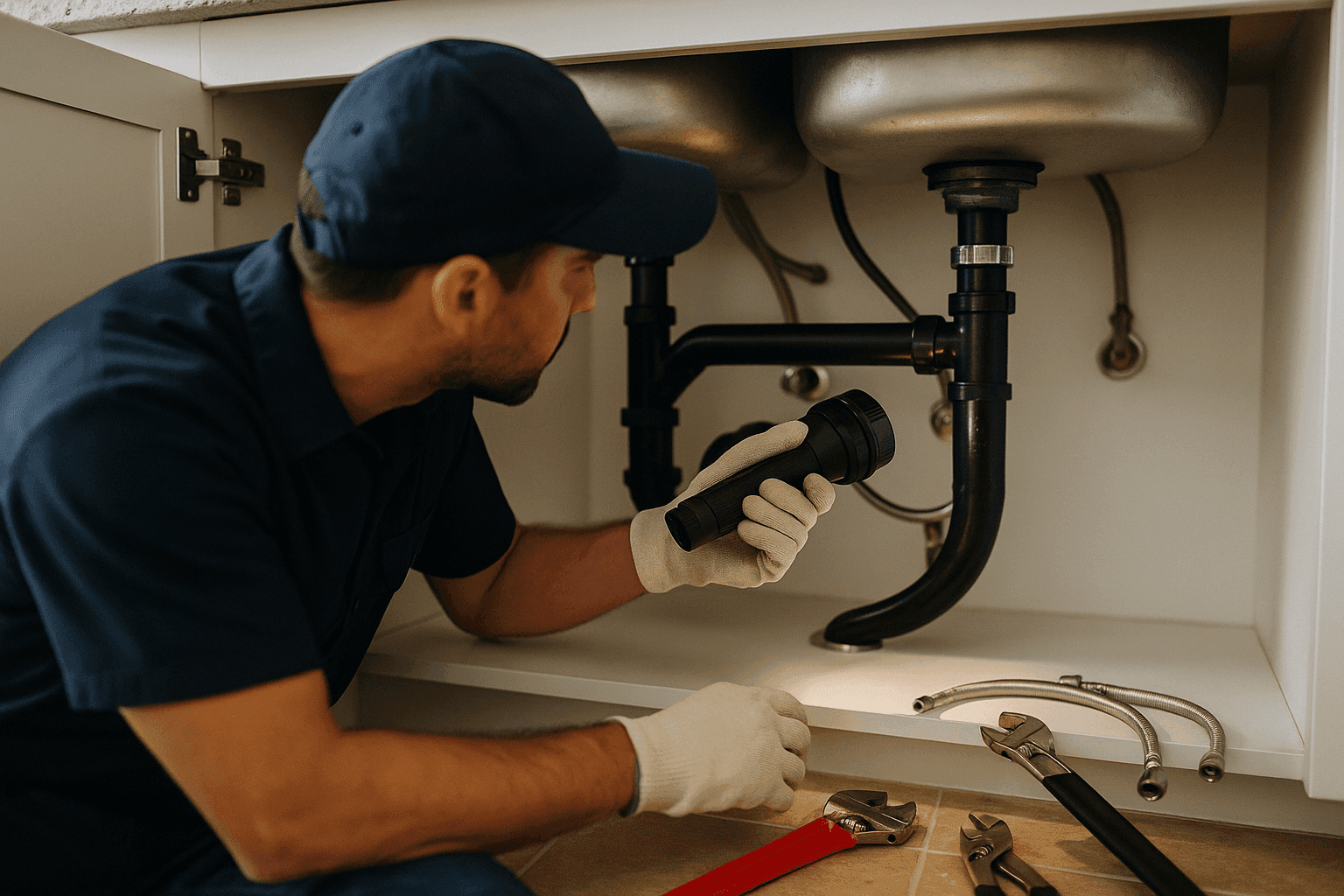
Have you ever heard that faint drip, drip, drip in the quiet of your home? It’s easy to ignore, but even the smallest leak can turn into a roaring headache. Water damage doesn’t wait for a convenient time. It creeps in, quietly causing stains, mold, and costly repairs.
At Spencer Plumbing, we know how quickly a minor leak can become an emergency plumbing situation. Early leak detection keeps your home or business dry, safe, and stress-free. Let's walk through how you can spot leaks, make simple fixes, and know when it’s time to call in a licensed pro.
Why Early Leak Detection Matters
Think of a plumbing leak like a tiny crack in a dam. At first, it’s just a trickle. Left alone, it can burst open, flooding your floors, ruining walls, and even weakening the foundation. Water is relentless. It finds every nook and cranny.
Catching leaks early isn’t just about saving money (though it does). It’s about protecting your home, your business, and your peace of mind. The American Society of Home Inspectors reports that water damage is one of the most common and expensive disasters homeowners face.
Common Signs of Plumbing Leaks 🕵️
Leaks rarely announce themselves with a splash. More often, they whisper. Here’s what to watch for:
- Dripping sounds: Even when faucets are off, listen for the telltale plink of water.
- Water stains: Look for discoloration on ceilings, walls, or under sinks. Yellow or brown spots often mean trouble above.
- Mold or mildew: Persistent dampness breeds musty odors and fuzzy growth, especially in corners or behind appliances.
- Soft or warped floors: Water under floors can make them feel spongy or cause tiles to lift.
- A spike in your water bill: An unexplained increase often signals water escaping somewhere it shouldn’t.
- Peeling paint or wallpaper: Moisture behind walls can loosen adhesives, causing bubbles or peeling.
- Low water pressure: If your shower feels weak, a hidden leak could be the culprit.
- Visible corrosion on pipes: Greenish or rust-colored stains around joints may mean a slow leak.
Don’t ignore these signs. They’re the plumbing equivalent of a check engine light.
DIY Leak Detection Methods
You don’t need fancy gadgets to spot most leaks. A keen eye and a little patience go a long way.
Visual Inspections
- Check under sinks: Open cabinets and feel for dampness around pipes and fittings.
- Inspect appliances: Look behind washing machines, dishwashers, and water heaters for puddles or rust.
- Look at ceilings and walls: Stains, bubbles, or sagging areas are red flags.
The Meter Test
- Turn off all water: Make sure no one is using water inside or outside.
- Check your water meter: Note the reading, wait two hours, then check again. If the number changes, you have a leak.
Use a Moisture Meter
These handheld tools measure dampness in walls and floors. They’re available at most hardware stores and can help pinpoint hidden leaks.
Food Coloring Trick
- For toilets: Add a few drops of food coloring to the tank. Wait 30 minutes without flushing. If color appears in the bowl, your flapper or valve may be leaking.
Listen Carefully
At night, when the house is quiet, listen near suspect areas. Sometimes, you’ll hear water hissing or dripping inside walls.
Basic Leak Repair Tips
Some leaks are simple enough to tackle with basic tools and a steady hand. Here’s where to start:
Tighten Fittings
Loose nuts and joints are common culprits. Use a wrench to gently tighten connections under sinks or on exposed pipes. Don’t overdo it—too much force can crack fittings.
Replace Washers or Seals
A worn-out washer in a faucet or hose can cause steady drips. Turn off the water supply, disassemble the fixture, and swap out the washer or O-ring. Always use the correct size.
Use Plumber’s Tape or Sealant
For threaded connections, wrap plumber’s tape (Teflon tape) around threads before screwing them together. For small pinhole leaks in metal pipes, a temporary epoxy putty or pipe repair clamp can buy you time until a permanent fix.
Clear Clogged Drains
Sometimes, a slow drain is caused by a build-up rather than a leak. Use a plunger or drain snake to clear blockages. Avoid chemical drain cleaners, which can damage pipes.
Replace Faulty Toilet Parts
A running toilet often needs a new flapper, fill valve, or float. These parts are inexpensive and widely available.
Important: Always shut off the water supply before attempting any repairs. Know where your main shutoff valve is located—it’s your lifeline in an emergency.
When to Call a Professional Plumber
Some leaks are like icebergs—what you see is just the tip. Here’s when it’s time to bring in the licensed team at Spencer Plumbing:
- Slab leaks: Water seeping up from floors or unexplained puddles may mean a leak under your foundation. These require specialized equipment and expertise.
- Gas line leaks: If you smell rotten eggs or hear hissing near gas appliances, evacuate immediately and call emergency plumbing services. Gas leaks are dangerous and must be handled by certified professionals.
- Major water line breaks: Sudden loss of water pressure, flooding, or visible pipe bursts need urgent attention.
- Persistent leaks: If you’ve tried basic fixes and the problem returns, the issue may be deeper in your plumbing system.
- Sewer line leaks: Foul odors, slow drains in multiple fixtures, or soggy patches in your yard can signal a sewer problem.
Licensed plumbers follow industry standards and codes, using tools like electronic leak detectors, thermal imaging, and pressure testing. The International Plumbing Code and Uniform Plumbing Code set out best practices for safe repairs.
Seasonal Leak Risks and Prevention 🌧️
Nature doesn’t take a holiday. Your plumbing faces unique challenges as seasons change.
Freezing Temperatures
- Pipes can freeze and burst: Insulate exposed pipes, especially in attics, basements, and crawl spaces.
- Let faucets drip: During cold snaps, a slow trickle keeps water moving and reduces freeze risk.
- Disconnect outdoor hoses: Drain and store them before winter.
Heavy Rain and Flooding
- Check sump pumps: Test them before storms to ensure they’re working.
- Inspect basement walls: Look for leaks or dampness after heavy rain.
- Clear gutters and downspouts: Direct water away from your foundation.
Regular Maintenance
- Schedule annual plumbing checks: Preventative maintenance can catch small issues before they escalate.
- Test shut-off valves: Make sure you can turn them easily in an emergency.
- Check water pressure: High pressure strains pipes and joints; a plumber can install a regulator if needed.
Quick Safety Checklist
Before you attempt any plumbing fix, run through this list:
- Shut off the water supply to the affected area.
- Unplug or move electrical appliances away from water.
- Wear gloves and safety glasses when handling tools or chemicals.
- Keep children and pets out of work areas.
- Know your limits—if you’re unsure, call a professional.
DIY Leak Detection vs. Calling a Pro
It’s tempting to tackle every leak yourself, but sometimes you need backup. Here’s how to decide:
DIY is Good For:
- Tightening visible fittings
- Replacing washers or toilet parts
- Clearing minor clogs
- Using plumber’s tape on accessible joints
Call a Pro For:
- Leaks inside walls, ceilings, or floors
- Persistent or recurring leaks
- Water heater or boiler leaks
- Gas line or sewer line issues
- Noisy pipes (banging, rattling, or whistling)
Remember, water and gas can cause serious damage and health risks if handled incorrectly. Licensed plumbers are trained to follow safety codes and use specialized equipment.
What Pros Do On Arrival
When Spencer Plumbing arrives, here’s what you can expect:
- Thorough inspection: We’ll ask about symptoms, check problem areas, and use tools like moisture meters or infrared cameras.
- Pinpoint the source: Sometimes, the visible leak isn’t the only issue. We trace water back to its origin.
- Recommend repairs: We explain your options and answer questions, following plumbing codes and safety standards.
- Complete repairs safely: All work is done with proper tools and materials. We test everything before we leave.
- Advice for prevention: Our team shares tips to help you avoid future leaks.
Costs & Time Factors
Every leak is different. Here’s what affects repair time and cost:
- Location of the leak: Exposed pipes are faster and less expensive to fix than hidden leaks.
- Type of repair needed: Replacing a washer is quick; repairing a slab leak or sewer line is more involved.
- Extent of water damage: If floors, walls, or ceilings need repair, costs can rise.
- Parts and materials: Some fixtures or valves are pricier than others.
- Emergency service: After-hours or urgent calls may have additional fees.
A simple leak might take less than an hour to fix. Major repairs can take several hours or more. The key is catching problems early, before damage spreads.
When It’s an Emergency 🚨
Some leaks can’t wait. Call emergency plumbing services if you notice:
- Sudden flooding or water pouring from ceilings or walls
- Unexplained puddles near electrical outlets or appliances
- Gas odors or hissing sounds near gas lines
- Sewage backing up into sinks, tubs, or toilets
- No water flow throughout your home or business
Safety comes first. Turn off your water (and gas, if needed), evacuate if you smell gas, and call for help right away.
Frequently Asked Questions
How often should I check for leaks?
Inspect exposed pipes, appliances, and fixtures at least twice a year—before winter and after heavy rains are good times.
Are small leaks really a big deal?
Even a slow drip can waste thousands of gallons of water each year and cause mold or structural damage over time.
Can I use chemical drain cleaners for clogs?
It’s best to avoid them. They can damage pipes and harm the environment. Use a plunger or drain snake, or call a professional.
What’s the most common cause of plumbing leaks?
Worn-out washers, loose fittings, and corrosion are frequent culprits. High water pressure and freezing can also cause pipes to fail.
Special Considerations for Leak Repairs
- Older homes: Pipes and fixtures may be more prone to corrosion and leaks. Regular inspections are essential.
- Commercial properties: Leaks can disrupt business and damage inventory. Schedule preventative maintenance.
- Water heaters and boilers: Leaks here can be dangerous due to pressure and temperature. Always let professionals handle repairs.
- Backflow prevention: Proper devices protect your water supply from contamination. Annual testing is recommended.
Take Action Before Leaks Cause Damage
A little vigilance goes a long way. Early leak detection and simple repairs can save you from headaches, high bills, and emergency plumbing disasters. For anything beyond the basics—or if you’re ever in doubt—call in the pros.
Call Spencer Plumbing now — or reach us anytime at 888-875-3815 .