Sewer Line Problems: Signs, Solutions, and Costs
When your drains gurgle or a foul smell lingers, it’s not just an inconvenience—it could be a ticking time bomb for your property. Sewer line problems don’t wait for business hours. Whether you own a home or run a busy storefront, hidden leaks or backups can shut everything down fast.
At Spencer Plumbing, we know the panic of a sudden sewage issue. Our licensed team handles emergencies day and night, following strict building codes and industry safety standards. Here’s how you can spot sewer line trouble, what to expect from inspections, and how repairs work—before a small headache becomes a major mess.
Common Signs of Sewer Line Issues 🚩
Your sewer line is like a silent highway, carrying waste away from your building. When it clogs or cracks, the warning signs aren’t always dramatic—at first.
- Slow Drains: Sinks, tubs, and showers that empty like molasses signal a deeper blockage. One slow drain might be a local clog, but if they’re all sluggish, the main sewer line could be the culprit.
- Bad Odors: If your nose wrinkles every time you pass a drain, you’re smelling more than yesterday’s dinner. Persistent, foul odors mean sewage or sewer gas could be leaking somewhere it shouldn’t.
- Backups and Gurgling: Toilets bubbling when you run the sink? Raw sewage backing up into the tub? These are big red flags. Wastewater always tries to find the path of least resistance, and if the main line is blocked, it’ll head for the lowest drain in your building.
- Unusual Lawn Patches: Is one spot in your yard unusually green, soggy, or sunken? Leaking sewer lines can fertilize grass—or even create sinkholes.
- Rodent or Insect Activity: Rats and cockroaches love broken sewer pipes. If pests suddenly appear, they may have found a new route into your property.
Catch these clues early. The longer you wait, the more damage your property (and wallet) will suffer.
Inspection Methods: Camera & Dye Testing 🔍
Not all problems are visible above ground. That’s where modern inspection tools come in handy.
Sewer Camera Inspection
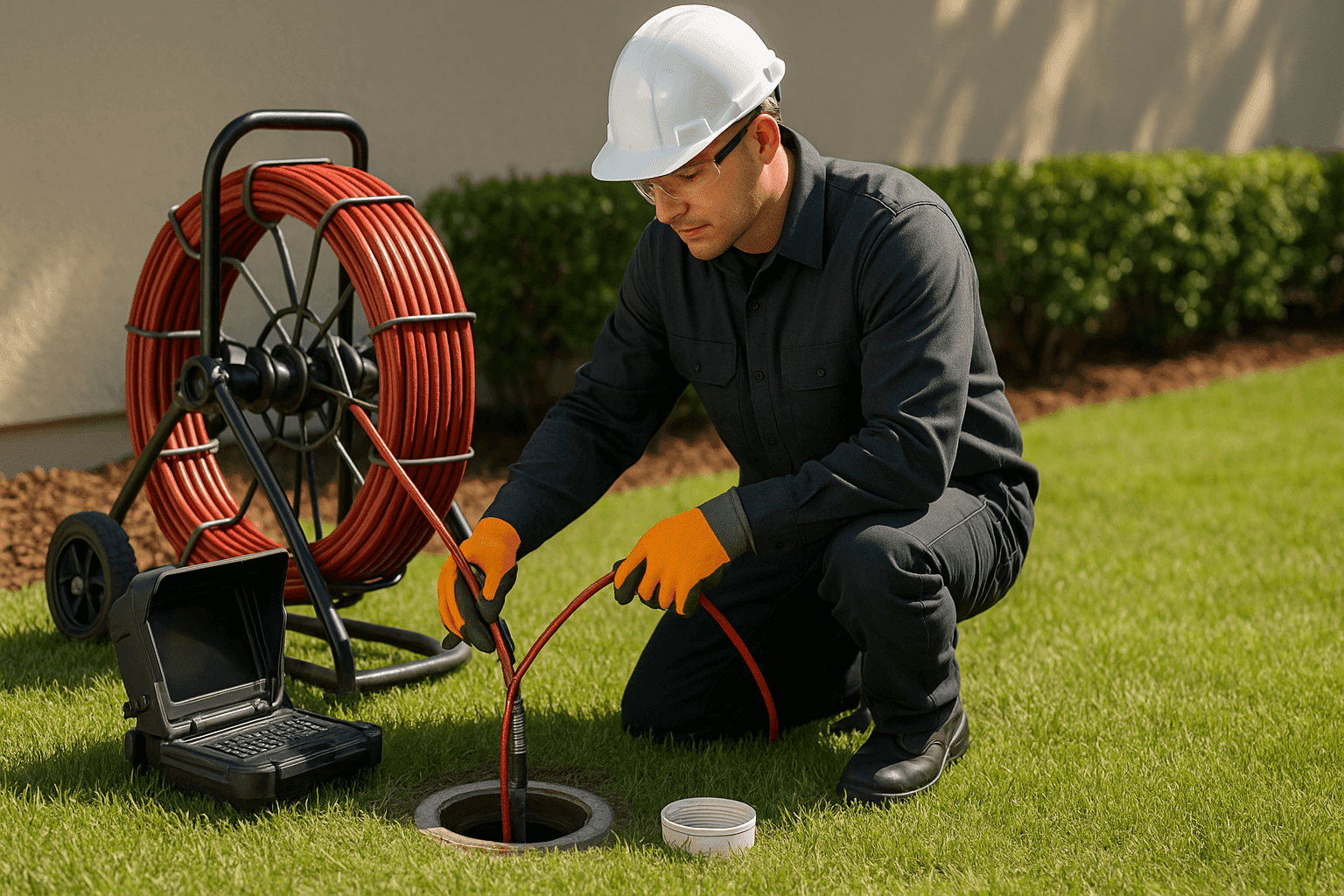
Picture a plumber lowering a tiny submarine into your pipes. That’s what a sewer camera does. This waterproof camera snakes through your lines, showing live video of cracks, roots, and blockages. It’s the gold standard for diagnosing sewer line problems without tearing up your yard or floors.
- Pinpoints exact location and cause
- Saves time and avoids unnecessary digging
- Helps create a targeted, cost-effective repair plan
Dye Testing
For tricky leaks, plumbers use safe, colored dye flushed through drains. If the dye shows up where it shouldn’t (like outside or in basement puddles), you’ve got a leak—and a map to the source.
Inspection Tip: According to the International Plumbing Code (IPC), only licensed professionals should perform camera and dye tests. DIY attempts can damage pipes or violate local regulations.
Repair and Replacement Options
Once the problem’s clear, what next? Sewer line repairs aren’t one-size-fits-all. Your options depend on the age of your pipes, the severity of the damage, and local code requirements.
Spot Repairs
If damage is limited to one section, a plumber may only need to cut out and replace that piece. This is common for cracks from roots or a single collapsed segment.
Full Replacement
Old, crumbling pipes (especially clay or cast iron) may need a complete overhaul. This can involve digging a trench to replace the entire run from your building to the street.
Trenchless Sewer Repair
Imagine fixing a broken zipper without unthreading your whole jacket. Trenchless methods, like pipe lining and pipe bursting, let plumbers repair or replace pipes with minimal excavation:
- Pipe Lining: A resin-coated tube is inserted and “cured” inside your old pipe, sealing cracks and restoring flow.
- Pipe Bursting: A new pipe is pulled through the old one, breaking the original and replacing it in one step.
Trenchless repairs are fast, require less digging, and often cost less in landscaping or flooring repairs. However, not every property is a candidate—pipe condition, diameter, and location matter.
Note: All repairs must comply with local building codes and may require permits. Check with your city or county before starting any major work.
Cost Factors and Insurance Tips 💸
Sewer line repairs can run from “not bad” to “ouch” depending on several factors:
- Repair Method: Spot repairs are affordable. Full replacements, especially with trenching, are pricier. Trenchless can save money on restoration.
- Pipe Material and Depth: Deeper, older, or larger pipes cost more to access and repair.
- Length and Location: The longer the damaged section, the higher the bill. Repairs under driveways, patios, or buildings add complexity.
- Permitting and Code Compliance: Some areas require extra inspections or permits, adding to costs. Always hire a licensed plumber who understands your local rules.
- Residential vs. Commercial: Commercial sewer lines are often larger and more complex, leading to higher costs and stricter inspection requirements.
Typical Cost Ranges
- Spot repair: $1,000–$3,000 (depending on access)
- Trenchless repair: $4,000–$15,000 (length and method)
- Full replacement (traditional): $7,000–$25,000+
Insurance Tips
- Standard homeowner’s insurance rarely covers sewer line repairs due to “wear and tear.”
- Some insurers offer separate sewer line coverage—ask your agent.
- For commercial properties, coverage varies. Review your policy for “service line coverage” or similar endorsements.
If you experience a sudden backup, document the damage and contact your insurer immediately. Keep receipts and inspection reports.
When Sewer Line Issues Are an Emergency
Not every slow drain is a five-alarm fire. But certain situations demand immediate action:
- Multiple drains backing up at once
- Sewage spilling onto floors or out of cleanouts
- Gurgling toilets and foul odors throughout the building
- Water pooling in your yard or basement with a strong sewage smell
These aren’t just inconvenient—they’re health hazards. For emergency plumbing near you, don’t wait. Call Spencer Plumbing anytime for fast, code-compliant help.
Residential vs. Commercial Sewer Line Repair
Homes and businesses face different challenges when it comes to sewer lines:
Residential
- Repairs usually affect one family, with smaller-diameter pipes
- Easier access (yards, basements)
- Fewer permitting steps, but strict code adherence
Commercial
- Larger, longer lines serving multiple units or businesses
- Repairs may disrupt operations or require after-hours work
- More complex permitting and inspections, especially for food service or healthcare
No matter the property, Spencer Plumbing keeps your plumbing safe, functional, and up to code.
Local Permitting Nuances and Code Requirements
Every city or municipality has its own plumbing codes, usually based on the International Plumbing Code (IPC) or Uniform Plumbing Code (UPC). Permits are often required for:
- Replacing or rerouting main sewer lines
- Trenchless repairs
- Work on public right-of-way (sidewalks, streets)
Working without a permit can lead to fines, failed inspections, or even insurance denials. Our technicians handle the paperwork so your repairs stay legal and stress-free.
Sewer Line FAQ
How often should sewer lines be inspected?
The National Association of Home Builders recommends inspection every 2–3 years for older homes, or right away if you notice persistent slow drains or odors.
Can tree roots really break sewer lines?
Absolutely. Tree roots seek moisture and can squeeze through tiny cracks. Once inside, they expand and block the flow, causing leaks and backups.
What’s the difference between a clog and a broken sewer line?
A clog is usually a buildup of grease, wipes, or debris. It can be cleared with drain cleaning. A broken line means the pipe itself is damaged—camera inspection is the best way to tell.
Are trenchless repairs always possible?
Not always. Pipes must be structurally sound enough for lining, or have enough space for bursting. A professional inspection will confirm your options.
Practical Tips for Preventing Sewer Line Trouble
- Never flush wipes, grease, or hygiene products—these cause stubborn clogs.
- Schedule regular drain cleaning and camera inspections, especially for older plumbing.
- Watch for changes in water pressure or odd smells.
- Plant trees far from sewer lines, and avoid deep-rooted species near pipes.
- Install backflow prevention devices to keep wastewater from coming back into your home or business.
Final Thoughts
A sewer line problem is more than a nuisance—it’s a threat to your property, health, and peace of mind. Whether you manage a restaurant or own a cozy bungalow, acting at the first sign of trouble can save you thousands. Don’t gamble with DIY fixes or unlicensed work. Get a professional, code-compliant solution that keeps your plumbing—and your life—running smoothly.
Call Spencer Plumbing now — or reach us anytime at 888-875-3815 .