How to Troubleshoot Low Water Pressure at Home or Work
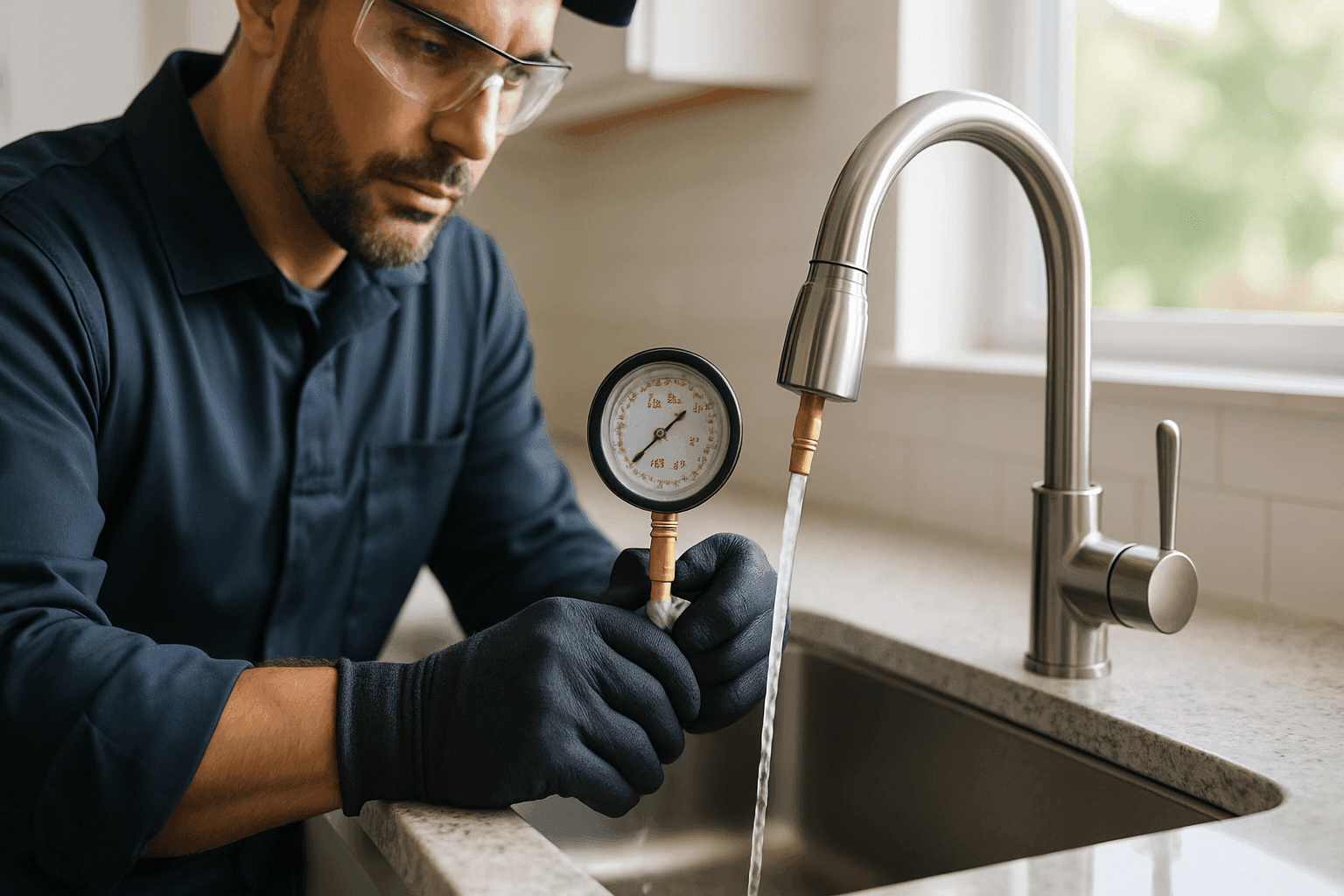
Water trickles instead of flows. The shower sputters. Sinks fill at snail’s pace. Whether you’re running a busy kitchen, a bustling office, or just trying to shower in peace, low water pressure grinds everything to a halt.
At Spencer Plumbing, we know how urgent this feels. Low water pressure sometimes signals a minor hiccup. Other times, it’s a warning bell for bigger plumbing issues—ones that need emergency plumbing near you, fast. Here’s how to spot the difference, and what you can do right now.
Common Causes of Low Water Pressure
Low water pressure rarely comes out of nowhere. Like a river blocked by a fallen tree, water’s journey through your pipes can be disrupted by many obstacles.
Leaks: The Silent Culprits
Leaks steal water pressure quietly. Even a pinhole leak in a hidden pipe can drop pressure across your whole property. For commercial buildings, leaks can go undetected for days, quietly raising water bills and lowering pressure.
Blockages and Buildup
Mineral scale and debris pile up in pipes—especially in homes with hard water. Over time, this narrows the flow like cholesterol in arteries. Old galvanized pipes are repeat offenders.
Clogged aerators (those mesh screens on faucets) or clogged shower heads are simple to check. Deeper blockages, like those in the main supply or underground, need professional tools.
Pressure Regulators & Valves
Some properties have a pressure-reducing valve (PRV). If it fails, pressure can plummet—or, rarely, spike. Main shutoff valves not fully open after repairs can also throttle flow.
Supply Issues
Sometimes, the problem’s outside your walls. Municipal supply repairs, water main bursts, or drought restrictions can all cause widespread low pressure. Neighbors noticing the same thing? Call your water provider.
DIY Checks and Temporary Fixes 🛠️
When your water slows to a crawl, a few simple checks can save the day—or at least buy you time until help arrives.
Troubleshooting Checklist
- Test All Fixtures: Is the problem everywhere, or just one tap/shower?
- Check Aerators: Unscrew and clean mesh screens on faucets.
- Try Hot vs. Cold: If only hot water is weak, your water heater may be involved.
- Inspect Shutoff Valves: Make sure they’re wide open.
- Look for Leaks: Check under sinks, around water heaters, and in basements for drips or dampness.
- Ask Neighbors: If they’re having trouble too, it’s likely a municipal issue.
Temporary Fixes
- Clean Aerators & Showerheads: Soak in vinegar to dissolve mineral scale.
- Reset PRV (if you have one): Gently adjust the screw on your pressure regulator—clockwise for more, counterclockwise for less.
- Isolate Leaks: Shut off water to leaking fixtures to minimize water loss.
If you’ve checked these and the pressure is still low, it’s time to dig deeper or call in a pro.
Commercial vs. Residential Water Pressure Problems
Water pressure isn’t just a comfort issue—it can be a safety risk, especially in commercial buildings.
Commercial Settings
- Fire Safety: Many fire protection systems rely on adequate water pressure. Low pressure can put your building out of code and at risk in emergencies.
- Multiple Fixtures: Restaurants, gyms, and offices depend on steady pressure for sinks, dishwashers, and restrooms. Drops in pressure can disrupt business.
- Backflow & Cross-Contamination: Low pressure can trigger backflow events, which may contaminate your water supply—a code violation and a health hazard.
Residential Settings
- Appliances: Low pressure strains washing machines, dishwashers, and water heaters.
- Showers & Sinks: Comfort suffers, but so can hygiene and daily routines.
- Hidden Leaks: Unexplained drops in pressure often signal leaks—leading to structural damage or mold if ignored.
Single Fixture vs. Whole-Property Problems
If only one fixture is slow, the problem is usually local—a clogged aerator, a faulty valve, or buildup in that line. If the whole house or building is affected, look for main supply problems, leaks, PRV issues, or supply-side disruptions.
When to Seek Professional Help 🚨
Some pressure problems are just too big—or risky—for DIY. Call for emergency plumbing near you if:
- You find a leak but can’t stop it.
- Water pressure drops suddenly across your whole property.
- There’s visible water damage or flooding.
- You hear running water with no fixtures open (a sign of hidden leaks).
- Pressure changes after recent work on your water system.
- Your fire protection system triggers warnings about low pressure.
Licensed plumbers use advanced tools: pressure gauges, pipe cameras, sonic leak detectors, and more. Spencer Plumbing’s team is trained to diagnose and fix these issues safely, following local codes (like the International Plumbing Code and National Fire Protection Association guidelines for commercial buildings).
How Pressure Problems Affect Appliances & Safety
- Water Heaters: Low flow can cause overheating or inefficiency.
- Boilers: May shut down or operate poorly.
- Dishwashers & Laundry: Long cycles, incomplete cleaning.
- Sprinklers/Fire Suppression: May not work in emergencies—potential code violation.
- Backflow Risk: Sudden drops can pull contaminated water into clean supply lines.
Troubleshooting Checklist
- Pinpoint the Issue:
- One room? One faucet? Or everywhere?
- Check for Leaks:
- Listen for hissing, look for puddles.
- Inspect Fixtures:
- Remove and clean aerators/showerheads.
- Valve Check:
- Test main and branch shutoff valves.
- Ask Neighbors:
- Municipal or private supply issue?
- Test Pressure:
- Use a pressure gauge if available (normal: 40–80 psi for most homes).
What to Expect When a Pro Arrives
- Inspection: Visual and pressure tests at multiple points.
- Diagnosis: Using gauges, cameras, and sometimes thermal imagers.
- Estimate: Upfront explanation of findings and costs.
- Solutions: May include leak repair, pipe cleaning, regulator replacement, repiping, or municipal coordination.
Preventative Maintenance for Strong, Safe Pressure
- Annual Plumbing Inspections: Catch leaks, corrosion, and failing valves early.
- Clean Aerators Regularly: Especially in hard water areas.
- Water Filtration Systems: Reduce scale buildup and extend appliance life.
- Backflow Testing: For commercial properties, meets code and protects health.
- Monitor Water Bills: Unexplained spikes often mean leaks.
Costs & Time Factors
- Simple Fixes: Cleaning aerators or adjusting valves—minutes to an hour.
- Leak Detection/Repair: 2–6 hours, depending on location and severity.
- Major Repairs (Repiping, Main Line): One day or more.
- Commercial Systems: May require after-hours scheduling to avoid business disruption.
When It’s an Emergency
If water pressure drops suddenly and you can’t find the cause, treat it as urgent. Fast action prevents serious damage—especially in multi-story buildings or those with fire suppression systems.
- Flooding? Shut off the main valve and call for emergency plumbing help.
- Commercial building? Notify your facility manager and halt operations in affected areas.
- Residential? Stop using appliances and avoid using water until help arrives.
Frequently Asked Questions
What’s “normal” water pressure?
Most homes and businesses work best with 40–80 psi. Too high strains pipes; too low, and nothing works right.
Can low pressure damage appliances?
Yes—dishwashers, water heaters, and boilers can all suffer or break down with ongoing low pressure.
Why does only my hot water have low pressure?
Usually, this means a problem with your water heater, or buildup in the hot water pipes.
How often should I test my water pressure?
Check annually, or any time you notice a change. Commercial properties may have code-mandated testing schedules.
Local & Seasonal Considerations 🌦️
- Winter: Frozen pipes can cause pressure to drop or stop entirely.
- Summer: Municipal repairs, drought, or irrigation can lower supply pressure.
- Older Neighborhoods: Aging infrastructure can mean more leaks and blockages.
Regular checks and prompt repairs keep your plumbing—and your peace of mind—flowing.
Low water pressure isn’t just an annoyance. Sometimes, it’s the start of something bigger. If your DIY checks don’t solve it—or you see signs of leaks, flooding, or sudden spikes in your bill—reach out for licensed diagnosis and upfront estimates.
Call Spencer Plumbing now — or reach us anytime at 888-875-3815 .