The Ultimate Guide to Plumbing Maintenance for Homeowners and Small Businesses
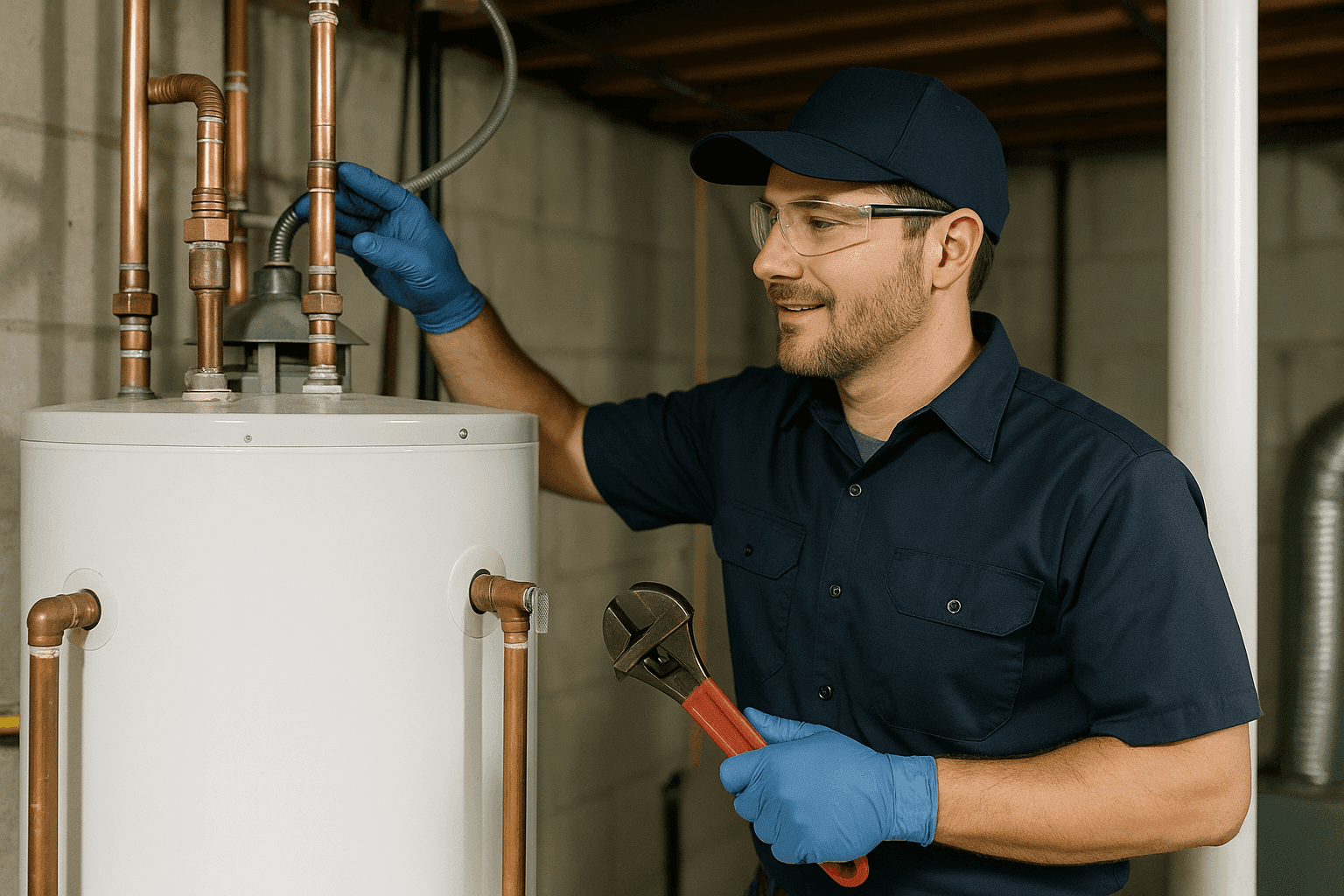
Plumbing problems don’t wait for a convenient time. A burst pipe or a clogged drain can bring your home or business to a standstill. It’s stressful, disruptive, and often expensive.
At Spencer Plumbing, we understand the headaches that come with unexpected plumbing issues. That’s why we’re here to help you stay ahead of emergencies with smart, simple maintenance. Whether you own a house or run a small business, this guide will walk you through the essentials—so you can keep the water flowing and the stress low.
Why Regular Plumbing Maintenance Matters 🚿
Imagine your plumbing system as the veins of your property. Just like your body needs regular checkups, so does your plumbing. Neglecting maintenance can lead to leaks, water damage, mold, and even health hazards. According to the International Association of Plumbing and Mechanical Officials (IAPMO), routine inspections and upkeep can extend the life of your pipes and fixtures, saving you thousands over time.
Benefits of regular maintenance:
- Prevents small issues from becoming costly disasters
- Maintains healthy water quality and pressure
- Reduces the risk of emergency plumbing situations
- Protects your investment and peace of mind
Risks of skipping maintenance:
- Burst pipes and water damage
- Mold and mildew growth
- Higher utility bills from hidden leaks
- Disrupted business operations
Seasonal Plumbing Maintenance Tips
Every season brings unique challenges. By planning ahead, you can dodge the most common plumbing pitfalls.
Winterizing Pipes
Cold weather is tough on plumbing. Water expands as it freezes, turning a small drip into a geyser overnight.
Tips to protect your pipes in winter:
- Insulate exposed pipes in basements, attics, and crawl spaces
- Disconnect and drain outdoor hoses
- Keep a slow trickle of water running on especially cold nights
- Seal cracks in walls and foundations to keep cold air out
If you’re unsure where to start, a licensed plumber can identify at-risk areas and install proper insulation.
Summer Upkeep
Summer storms and high usage can strain your system, especially if you host guests or operate a busy business.
Summer maintenance checklist:
- Check for leaks in outdoor faucets and sprinkler systems
- Clear debris from gutters and downspouts to prevent water backup
- Inspect sump pumps before heavy rains
- Schedule a professional drain cleaning to remove buildup
Storm Preparation
Heavy rain can overwhelm drains and sewers. Flooded basements and soggy lawns are no one’s idea of a good time.
Get storm-ready by:
- Testing sump pumps and battery backups
- Making sure backflow prevention devices are working
- Clearing yard drains and storm grates
Leak Detection and Repair
Leaks are sneaky. A single drip can waste gallons of water and cause major damage if ignored.
How to spot early signs of leaks:
- Unexplained spikes in your water bill
- Damp or discolored spots on walls and ceilings
- Musty odors in hidden areas
- The sound of running water when all taps are off
Tools you can use:
- Flashlight for dark corners
- Moisture meter for walls and floors
- Food coloring to check toilet tank leaks
If you find a leak, shut off the main water supply and call a licensed plumber. DIY fixes are fine for a dripping faucet, but hidden or severe leaks need professional attention.
Drain Cleaning Best Practices
Clogged drains are like traffic jams for your plumbing. They slow everything down and can lead to backups.
Simple habits to prevent clogs:
- Avoid pouring grease, coffee grounds, or food scraps down the sink
- Use drain strainers in showers and sinks to catch hair and debris
- Flush only toilet paper—no wipes, cotton balls, or hygiene products
Professional service intervals:
- Schedule a professional drain cleaning at least once a year for homes
- Busy businesses may need more frequent service, especially in kitchens and restrooms
If plunging doesn’t work, avoid harsh chemicals. They can damage pipes and harm the environment. Instead, call a professional with the right tools.
Water Heater and Boiler Care
Hot water on demand is easy to take for granted—until it stops. Regular care keeps heaters and boilers running safely and efficiently.
Maintenance tips:
- Drain and flush the tank annually to remove sediment (per manufacturer guidelines)
- Check the pressure relief valve for proper operation
- Inspect for rust, leaks, or strange noises
- Set the thermostat to 120°F to prevent scalding and save energy
If you notice inconsistent temperatures or water discoloration, it’s time to call a licensed technician.
Gas Safety and Backflow Prevention
Gas lines and backflow devices are vital for safety. A small mistake can have serious consequences.
Critical gas safety checks:
- Schedule annual inspections by a licensed plumber qualified for gas work
- Install carbon monoxide detectors near gas appliances
- Never ignore the smell of gas—leave the area and call for emergency help
Backflow prevention essentials:
- Test backflow prevention devices yearly (as required by plumbing codes)
- Watch for signs of contaminated water, such as discoloration or odd odors
Both gas and backflow systems should only be serviced by licensed professionals. Your safety depends on it.
Quick Plumbing Safety Checklist
- Know the location of your main water shutoff valve
- Test all shutoff valves twice a year
- Keep emergency plumbing contacts handy
- Use protective gloves and eyewear when handling chemicals or tools
- Never mix cleaning agents (especially ammonia and bleach)
DIY vs. Call a Pro
Some plumbing fixes are simple. Others are best left to trained hands.
DIY tasks:
- Plunging minor clogs
- Replacing faucet washers
- Tightening loose connections
Call a professional for:
- Persistent leaks or clogs
- Water heater or boiler issues
- Gas line work
- Major fixture installations
- Sewer line problems
A good rule: If you’re unsure or uncomfortable, don’t risk it. Licensed plumbers follow strict safety codes and have the right tools for the job.
What Pros Do On Arrival
When you call Spencer Plumbing, our licensed technicians arrive ready to handle emergencies and routine maintenance alike.
What to expect:
- A thorough assessment of the issue
- Use of industry-standard tools (leak detectors, video inspection cameras)
- Clear explanation of findings and recommended solutions
- Fast, safe repairs following plumbing codes and best practices
We’re available 24/7 for emergencies—because plumbing problems don’t punch a clock.
Prevention & Maintenance Tips
Keep your plumbing system healthy with these practical steps:
- Check visible pipes for rust, leaks, or corrosion every few months
- Clean faucet aerators and showerheads to prevent mineral buildup
- Test water pressure regularly (ideal range: 40–60 psi)
- Schedule annual inspections for water heaters, boilers, and backflow devices
- Replace old hoses on washing machines and dishwashers every 3–5 years
Regular maintenance doesn’t just prevent emergencies—it helps your system last longer and run smoother.
Costs & Time Factors
Plumbing maintenance costs vary based on the task and system complexity. Here’s what typically influences price and time:
- Simple fixes (like unclogging a drain) can take less than an hour
- Leak repairs and fixture replacements may require 1–3 hours
- Annual inspections and water heater servicing usually take 1–2 hours
Investing in maintenance is almost always cheaper than paying for emergency plumbing repairs after a major failure.
When It’s an Emergency
Some plumbing issues can’t wait. Call for emergency plumbing help if you experience:
- Sudden loss of water or water pressure
- Burst pipes or flooding
- Gas leaks (leave the property immediately)
- Sewage backups or strong odors
- No hot water for essential needs
Fast action can minimize damage and keep your property safe.
FAQ
How often should I schedule plumbing maintenance?
Annual inspections are recommended for most systems. Busy businesses may benefit from more frequent checks.
Can I use chemical drain cleaners?
It’s best to avoid them. Chemicals can damage pipes and harm the environment. Mechanical cleaning is safer and more effective.
What should I do if I smell gas?
Evacuate immediately. Don’t use electrical switches or phones. Once you’re safe, call emergency services and a licensed plumber.
How can I improve my water pressure?
Check for leaks, clean aerators, and ensure your pressure regulator is functioning. Persistent issues may require professional evaluation.
Special Considerations for Your Property
Every property is unique. Older buildings may have outdated pipes or fixtures, while newer ones still benefit from regular checks. If you have a basement, sump pump maintenance is crucial. For businesses, keeping restrooms and kitchens running smoothly is essential for staff and customer comfort.
Refer to the Uniform Plumbing Code (UPC) and manufacturer guidelines for specific maintenance intervals and procedures. Always choose licensed professionals for inspections and repairs.
Call Spencer Plumbing now — or reach us anytime at 888-875-3815 .