Unclogging Toilets: When DIY Works and When to Call a Pro
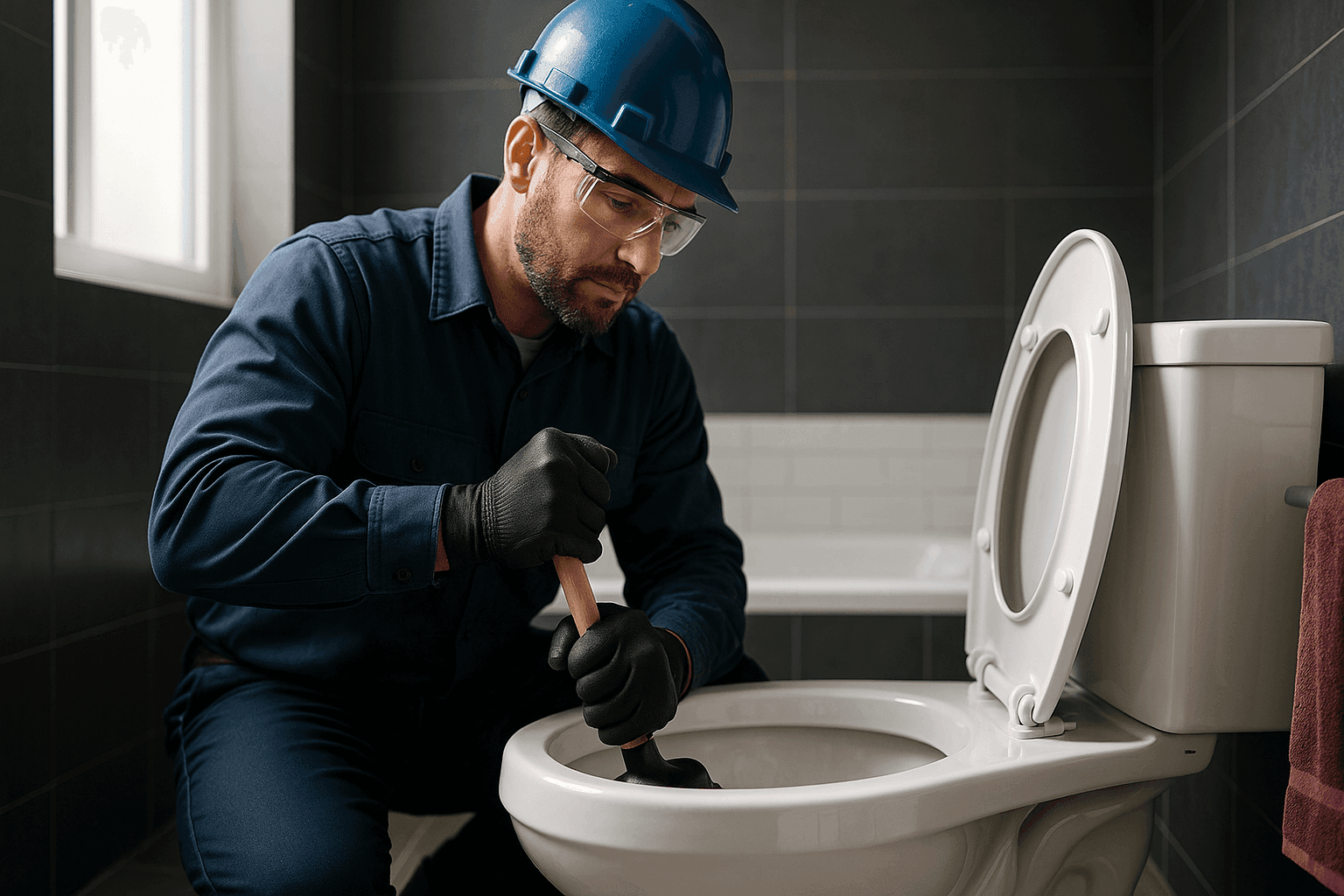
There’s never a good time for a toilet to clog. It happens fast, often at the worst possible moments—right before guests arrive, during a holiday meal, or in the middle of a busy workday in your office. The panic is real. At Spencer Plumbing, we’ve seen it all, from simple jams to full-blown emergencies that threaten to flood your home or business.
You want the problem fixed—quickly, safely, and for good. But should you reach for the plunger, or is it time to call emergency plumbing near you? Let’s break down what works, what doesn’t, and when a professional is your best friend.
Common Causes of Toilet Clogs 🚽
Toilets are built to handle waste and toilet paper. But life happens, and sometimes things end up in the bowl that shouldn't.
- Too much toilet paper: Like trying to stuff a suitcase that’s already full—eventually, something gets stuck.
- Flushing foreign objects: Wipes (even “flushable” ones), feminine hygiene products, cotton swabs, dental floss, or kids’ toys. Toilets aren’t trash cans.
- Hard water buildup: Over time, mineral deposits narrow pipes, making clogs more likely.
- Aging plumbing: Older pipes may have rough interiors or small cracks that snag debris.
- Low-flow toilets: Early models sometimes don’t have enough force to clear everything out.
It’s easy to underestimate how quickly a minor clog can become a big headache, especially in homes with young kids or in high-traffic commercial restrooms.
Safe DIY Unclogging Methods (Plunger, Auger, What Not to Use)
Before you panic, know that many clogs can be handled safely at home. But do it right—mistakes can make things worse.
What to Try First:
- Plunger: Use a flange plunger (the kind with the extra rubber lip). Make sure there’s enough water in the bowl to cover the plunger’s head. Press down firmly, then pull up quickly—like pumping a bike tire. Repeat several times.
- Toilet Auger (Plumber’s Snake): For tougher clogs, a toilet auger can help. Feed it gently into the drain, then crank to break up or hook the blockage. Pull it out slowly; have a bucket handy for drips.
- Hot Water & Dish Soap: Pour a few cups of hot (not boiling) water and some dish soap into the bowl. Wait 10–15 minutes. Sometimes this softens minor blockages enough for a flush.
What NOT to Use:
- Chemical drain cleaners: They may promise miracles, but these products can eat away at pipes, damage seals, and create hazardous fumes (the CDC warns against mixing chemicals or using them in poorly ventilated areas).
- Wire hangers or makeshift tools: They scratch porcelain, snag in bends, and can puncture pipes or trap debris deeper.
- Excessive force: Flushing repeatedly or forcing water down can make an overflowing mess.
A little patience goes a long way. If the water rises dangerously or nothing budges after several tries, stop. The risk of overflow, leaks, or pipe damage isn’t worth it.
When to Call a Professional
Some clogs are just too stubborn—or risky—for DIY. If you notice any of the following, it’s time to call emergency plumbing near you:
- Water backs up into the tub or sink when you flush
- More than one toilet or drain is clogged at the same time
- Foul odors (sewer gas) linger in your bathroom
- You see water around the toilet base or hear bubbling in other drains
- DIY attempts make things worse, not better
Professional plumbers use specialized tools and camera inspections to diagnose and clear even the most stubborn blockages without damaging your plumbing system.
Emergency Toilet Backup Situations 🚨
A clogged toilet is an emergency when:
- Water is overflowing uncontrollably: Shut off the water supply behind the toilet immediately (turn the valve clockwise).
- Sewage is backing up: This is a health hazard. Keep people and pets away.
- It’s your only working toilet: In homes with a single bathroom, prompt action is critical.
- It happens during a holiday, party, or after hours: Guests or employees can’t wait, and DIY risks are higher when you’re rushed.
In these situations, don’t wait. Call Spencer Plumbing for emergency plumbing. Quick, safe intervention can prevent thousands in property damage and keep your home or business running.
Quick Safety Checklist 🛑
- Turn off the water supply to the toilet if the bowl is filling dangerously.
- Wear gloves and wash hands thoroughly after any attempt.
- Ventilate the area if you’ve tried any cleaning products.
- Don’t mix chemicals—ever.
- Keep children and pets away from the area until things are resolved.
What Pros Do On Arrival
When you call Spencer Plumbing, here’s what happens next:
- We arrive prepared—day or night—with advanced tools.
- We inspect the toilet and connected drains, often using a small camera to see deep inside the pipes.
- Stubborn blockages are cleared with augers or professional-grade water jets.
- We check for underlying issues: tree roots, pipe damage, or sewer line problems that could cause repeat clogs.
- Everything is tested for a safe, complete repair.
We follow local plumbing codes and industry safety guidelines, including the International Plumbing Code (IPC) and any regional requirements for backflow prevention and waste handling.
Prevention & Maintenance
The best way to avoid future clogs? Keep your plumbing in top shape.
- Flush only waste and toilet paper. Even “flushable” wipes aren’t truly safe for pipes.
- Install strainers in bathroom drains to catch hair and debris.
- Schedule regular inspections—especially in older homes or buildings with frequent issues.
- Educate household members or staff about what not to flush.
- Address low water pressure or slow drains early; small issues can turn into emergencies.
Commercial restrooms may benefit from routine preventative maintenance and water jetting to keep lines clear.
Costs & Time Factors
Clearing a basic toilet clog with a plunger takes minutes and costs next to nothing. But more severe blockages or emergencies can be a different story:
- DIY tools: Plungers and augers are affordable—usually under $50.
- Professional unclogging: Depending on severity, time of day, and urgency, a plumber’s visit could take 30–90 minutes.
- Severe blockages: If the clog is deep in the line or there’s damage, repairs may take several hours and require specialized equipment.
- Emergency calls: After-hours, weekends, or holidays can influence costs—factoring in both the urgency and the risk of property damage.
Investing in prompt, professional help can save money in the long run by preventing leaks, water damage, and expensive repairs.
When It’s an Emergency
A slow drain is an inconvenience. An overflowing toilet is an emergency.
Call for help if:
- You can’t stop the water from rising or spilling over
- More than one fixture is affected
- There’s any sign of sewage or foul odors
- It’s your only toilet—or you have guests, clients, or employees relying on it
Don’t risk water damage, electrical hazards, or unsanitary conditions. Emergency plumbing near you is ready 24/7 to tackle the problem—before it gets worse.
FAQ
Q: Are “flushable” wipes really safe for toilets?
A: No. Even wipes labeled “flushable” don’t break down easily and can cause clogs, especially in older pipes.
Q: Can I use boiling water to clear a clog?
A: No. Boiling water can crack porcelain toilets and damage seals. Use hot—not boiling—water if you try this method.
Q: Why does my toilet clog so often?
A: Frequent clogs could mean pipe buildup, low-flow issues, or a problem deeper in your plumbing. A professional inspection can identify the cause.
Q: How do plumbers clear tough clogs?
A: We use augers, water jets, and sometimes small cameras to find and break up blockages deep in the drain line.
Local & Seasonal Considerations 🌧️
Some times of year put extra strain on your plumbing. Large family gatherings, holidays, and seasonal parties can mean more frequent flushes and higher risk for clogs. In winter, frozen pipes can exacerbate blockages, while spring rains may back up sewer lines.
If you’re expecting guests or see early warning signs (slow drains, gurgling), address them before they turn into emergencies. For businesses, seasonal maintenance ensures restrooms can handle peak crowds without issue.
Toilet troubles don’t wait for a convenient moment. Whether you’re at home or managing a busy office, you deserve fast, safe solutions—any time, day or night. Don’t let a small clog become a big disaster.
Call Spencer Plumbing now — or reach us anytime at 888-875-3815 .