Water Filtration Systems: What Homeowners Need to Know
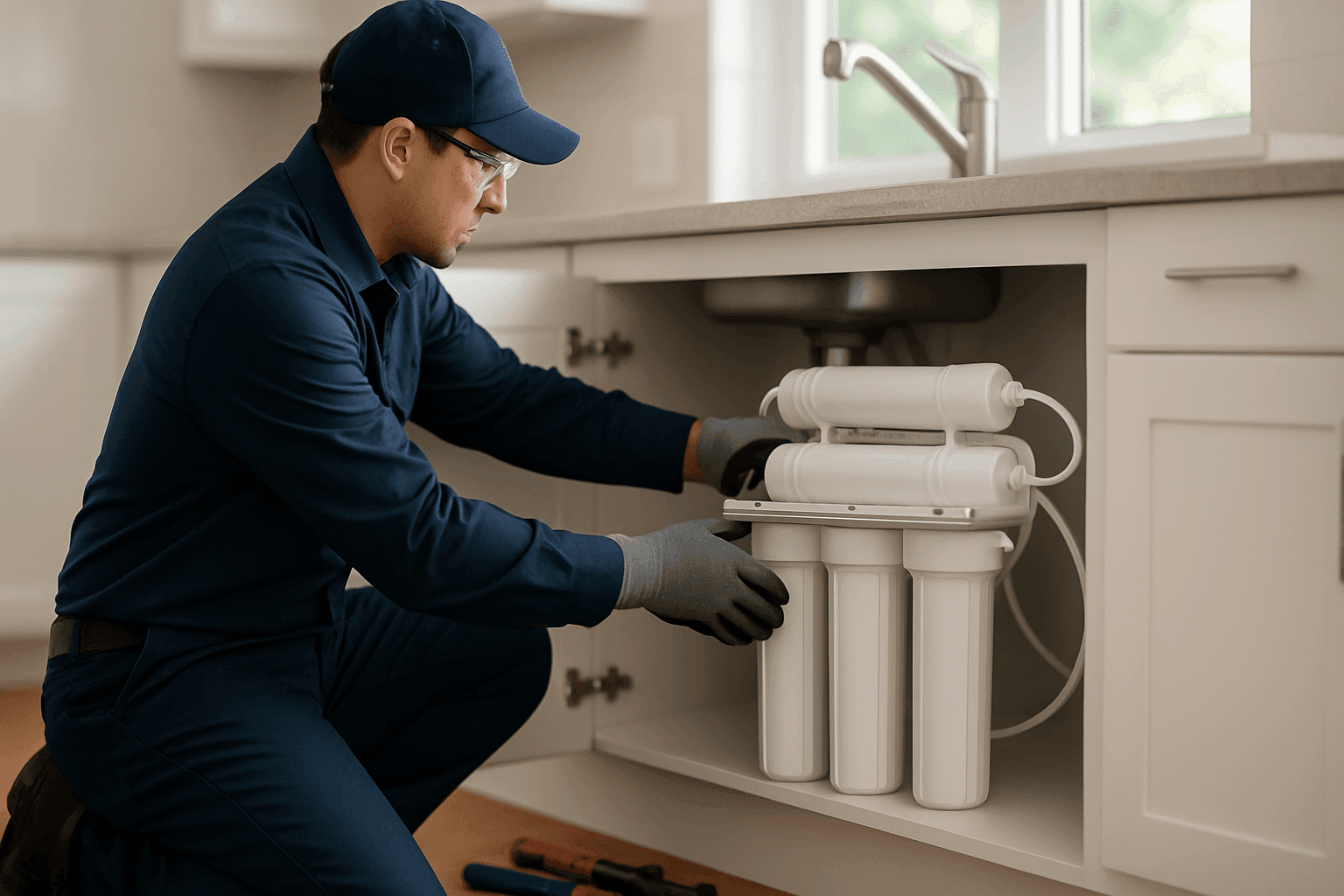
Is your tap water really as clean as it looks? Many homeowners and businesses are surprised to learn what might be flowing through their pipes. Water filtration is more than a luxury—it’s peace of mind you can taste and see. At Spencer Plumbing, we often see emergencies that could have been avoided with the right filter and routine checks.
Whether it’s strange odors, cloudy water, or just the simple wish to protect your family (and appliances), a good filtration system makes a world of difference. Let’s cut through the confusion so you know where to start—and when it’s time to call in professional help.
Why Water Filtration Matters
Imagine pouring a glass of water and never worrying about what’s in it. That’s the dream, right? But behind every clear glass, there could be a story—chlorine, lead, sediment, or even bacteria. Here’s why filtration deserves a spot on your priority list:
- Health: Unfiltered water can carry invisible threats. The U.S. Environmental Protection Agency (EPA) warns that contaminants like lead, nitrates, and microbes can cause health issues, especially for kids, elderly, and those with weak immune systems.
- Taste & Smell: Ever notice a swimming pool scent in your tap water? Chlorine and minerals can turn a refreshing drink into a nose-wrinkling experience. Filtration clears the way for water that tastes and smells how it should—like nothing at all.
- Appliances & Pipes: Hard water is rough on everything: dishwashers, water heaters, even your favorite coffee maker. Sediment and minerals build up over time, shortening the lifespan of expensive equipment and increasing the risk of leaks or breakdowns. Emergency plumbing near you can fix the aftermath, but a filter helps prevent it in the first place. 🚰
Types of Filtration Systems
There’s no “one size fits all” for water filtration. Your choice depends on your budget, space, and what you want filtered out. Let’s break down the most popular options so you can see what fits your home or business.
Pitcher Filters
Think of these as the quick fix—the band-aids of water treatment. You fill them up and pour fresh water out. They’re affordable, portable, and simple to use. But they only tackle basic contaminants like chlorine and a few metals.
Pros:
- Inexpensive
- No installation required
- Easy to use
Cons:
- Limited capacity (not for large families or offices)
- Only filters small amounts at a time
- Doesn’t remove all contaminants
Under-Sink Filters
Hidden away under your kitchen sink, these systems filter water right at the source. Great for drinking and cooking. Some models use multiple stages to catch more contaminants, from heavy metals to pesticides.
Pros:
- Delivers clean water on demand
- More thorough than pitchers
- Doesn’t clutter your counter
Cons:
- Requires professional installation
- Needs regular filter changes
- Only treats one faucet
Whole-House Systems
Imagine every tap in your home or business serving up filtered water—showers, laundry, even toilets. Whole-house systems are installed where water enters your building, stopping sediment, chlorine, and other contaminants before they spread.
Pros:
- Filters all water in the property
- Protects pipes and appliances
- Reduces odors and stains
Cons:
- Upfront cost is higher
- Takes up space in utility area
- May need custom setup for specific contaminants
Reverse Osmosis (RO) Systems
RO systems are the heavy lifters. Water is pushed through a special membrane that blocks almost everything except pure H2O. They’re popular for drinking water, especially where contaminants are a real worry.
Pros:
- Removes a wide range of impurities
- Excellent taste and clarity
- Reliable for sensitive situations (medical, baby formula prep)
Cons:
- Wastes some water during filtration
- Slower output
- Needs professional installation and regular maintenance
Not sure which system is right for you? That’s where a plumbing professional steps in. We’ll help you match your needs to the right solution—no upselling, just clear advice.
Installation & Maintenance: What to Expect
Installing a water filtration system isn’t a weekend DIY for most people. It’s like giving your plumbing a new set of lungs: the job needs to be done right to keep your water flowing safely.
What Happens During Installation
- Assessment: First, we’ll check your home or business layout, pipe material, and water pressure.
- System Placement: For pitchers, it’s as simple as setting it on the counter. Under-sink and whole-house systems require plumbing skills, cutting into pipes, and securing connections.
- Safety Checks: We always follow local plumbing codes and manufacturer instructions. Improper installation can lead to leaks, water damage, or worse.
- Testing: Once set up, your system is flushed and tested to make sure it’s filtering as promised.
Ongoing Care
Filters don’t last forever. Most need replacement every 3–12 months. Whole-house systems may need yearly checkups. Neglecting maintenance is like running your car without oil—eventually, something’s going to break.
- Replace filters on schedule (set reminders!)
- Watch for drops in water pressure or odd tastes
- Annual professional inspection keeps things running smoothly
Ignoring upkeep can lead to clogged filters, slow flow, or even contaminated water. Prevention is always better than another emergency plumbing call. 🛠️
Testing Your Water Quality First
Before you invest in any system, you need to know what’s actually in your water. It’s like picking the right medicine—you have to diagnose the problem first.
How to Test
- Home Test Kits: Widely available, these kits check for basics like chlorine, hardness, lead, or bacteria. Easy to use, but not always thorough.
- Certified Lab Testing: For a complete profile, send a sample to a certified lab. This gives you a detailed list of what’s present, from minerals to possible industrial or agricultural contaminants.
- Check Public Reports: If you’re on city water, your supplier is required by law to provide annual water quality reports (see EPA guidelines).
Matching Solutions to Needs
- Hard water? Look for systems designed to remove calcium and magnesium.
- Worried about lead or heavy metals? Choose filters certified for metal removal.
- Bacteria or well water issues? Consider UV or RO systems.
Not all filters block the same things. That’s why a test is step one. If your results are confusing, a certified plumber can help break them down and suggest what makes sense for your pipes, people, and property.
Pros and Cons of Popular Systems
Let’s recap the big choices, keeping it simple:
- Pitcher Filters: Cheap, easy, but light duty. Great for renters or small households.
- Under-Sink: Better filtration, invisible, but needs installation and regular filter swaps.
- Whole-House: Covers everything, protects plumbing, but costs more up front.
- Reverse Osmosis: Purest water, but slow and uses more water.
Whatever you pick, remember: Even the best filter is useless if it’s installed wrong or left unattended.
Practical Tips for Homeowners and Businesses
- Set a calendar reminder for filter changes
- Keep the owner’s manual handy and note down install dates
- If water pressure drops suddenly, check the filter first
- After any plumbing work, inspect your system for leaks or misalignments
- For businesses, assign maintenance to a trusted staff member and keep records
Trustworthy Installation & Ongoing Support
You don’t have to become a water scientist overnight. At Spencer Plumbing, our team is certified, trained, and follows all local plumbing codes. We install, test, and maintain systems with no shortcuts.
We’ll never push you into a system you don’t need. Our advice is based on your water, your goals, and your budget. If something goes wrong or you have a question down the line, help is always a call away—emergency plumbing near you, year-round.
Frequently Asked Questions
How do I know if I need a water filter?
If your water smells, tastes odd, stains your sink, or tests show contaminants, it’s time. Even if everything seems fine, older pipes or local water issues could mean hidden risks.
How often should filters be changed?
This depends on the type: pitchers may need monthly swaps, under-sink and whole-house filters can go 3–12 months. Always check the manufacturer’s instructions.
Will a filter fix my water pressure issues?
Sometimes. If the problem is clogging or sediment, yes. But if your pipes are old or there’s a leak, you’ll need a plumber to investigate.
Can I install a system myself?
Some pitcher or faucet filters are DIY-friendly. For under-sink, RO, or whole-house systems, professional installation is safer and ensures you stay up to code.
Local and Seasonal Considerations
Water quality can change with the seasons—runoff after storms, spring thaw, or summer drought. If you use well water, test at least once a year, especially after heavy rain or flooding. Plumbing codes and filter recommendations also vary by region; always use certified products and installers.
No matter the time of year, if something seems off, don’t wait. Emergency plumbing near you is just a call away.
Call Spencer Plumbing now — or reach us anytime at 888-875-3815 .